West Virginia School of Osteopathic Medicine
What Is a D.O.?
Definition of a U.S.-trained D.O.
- A fully qualified and licensed physician
- Educated with a distinct patient-centered, health-oriented philosophy
- Trained to combine specialized diagnostic and therapeutic hands-on skills (OMT) with the latest advances in medical science and practice
- Offers comprehensive health care to patients
Doctors of osteopathic medicine can and do practice in every specialty and subspecialty of medicine. Many D.O.s serve as primary care physicians, but practice is not restricted. Your degree will take you wherever you want to go in medicine.
The four tenets of osteopathic medicine
- The body is a unit
- Structure and function are interdependent
- The body has self healing and self regulatory capabilities
- Rational osteopathic care relies on the integration of these tenets in patient care
Image
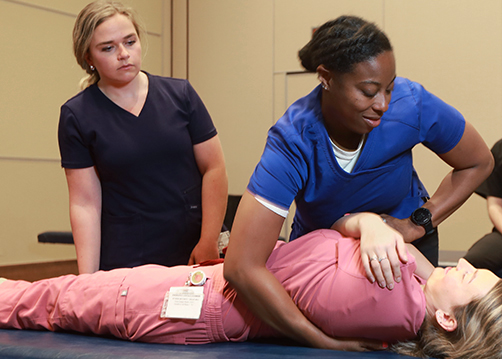
What is the difference?
In addition to the standardized medical curriculum, every osteopathic medical student must complete approximately 200 additional hours of training in Osteopathic Manipulative Medicine (OMM). Our students learn a system of hands-on techniques that help assess health, alleviate pain and restore motion. This approach to diagnosis and treatment supports the body’s natural functions and influences the body’s structure to help it function more efficiently.
Image
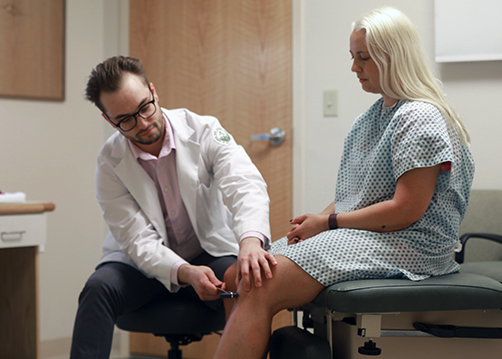
We see the patient as a person.
It is this patient-centric, hands-on diagnostic and treatment approach that helps our students become physicians who make a difference for their patients, and that’s the most important difference. Our students are trained to look at the whole patient from their first days of medical school, which means they see each patient as a person – more than just a collection of organ systems and body parts that may become injured or diseased.
Image
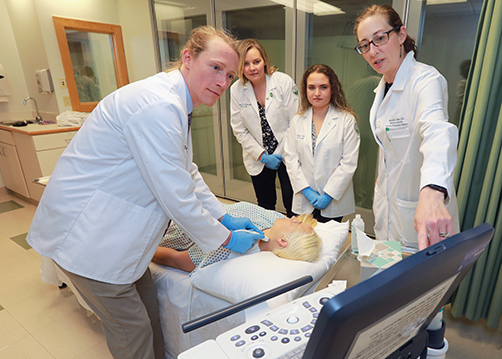
Patient care is a partnership.
The osteopathic difference means that our medical students learn how to see their patients as partners in the health care process. They are trained to communicate with people from diverse backgrounds, and practice these skills in their classrooms and learning laboratories, beginning with standardized and simulated patients.
At WVSOM you will learn how to practice medicine. Most importantly, you will learn how to make a meaningful difference in the lives of your patients with osteopathic medicine.