West Virginia School of Osteopathic Medicine
Osteopathic Principles & Practices (OP&P)
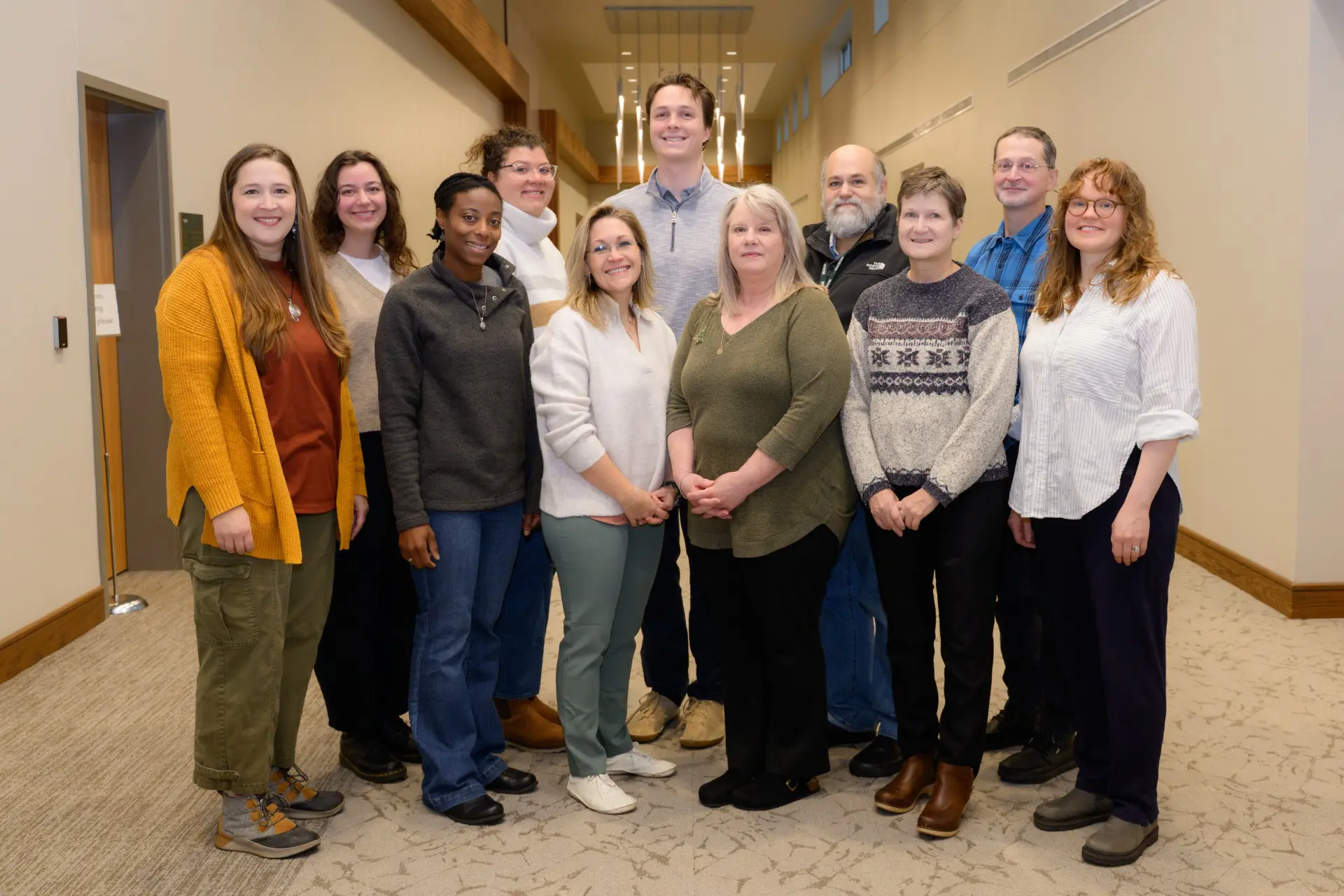
The OPP department at an osteopathic medical school is responsible for teaching osteopathic techniques (OMT), as well as the principles and philosophy of osteopathic medicine and how to apply them in patient care. The principles and philosophy are typically integrated throughout the curriculum because they represent a way of viewing patients and formulating care plans that incorporates knowledge from other disciplines. Because OPP includes these principles and philosophy, it is not a separate discipline—an additional subject to study—but rather an approach to patient care, whether or not the physician uses it as part of a care plan.
Osteopathic Manipulative Medicine (OMM)
OMM is a form of treatment taught to students studying osteopathic medicine and becomes part of their treatment toolkit when they graduate as doctors of osteopathic medicine. In medicine, “manipulation” is defined as the therapeutic application of manual pressure or force.
- Can be used to treat structural and functional issues (known as somatic dysfunctions) in the bones, joints, organs, muscles, and other tissues of the body
- Uses the relationship between the neuromusculoskeletal system and the rest of the body to restore functionality and/or remove barriers to motion and healing
- Achieves and maintains patient health as part of a whole system of evaluation and treatment
Osteopathic Manipulative Treatment (OMT)
OMT refers to the collection of techniques or methods of manipulation that a physician uses in OMM. There are more than 20 different types of techniques, and several of those can be broken down further into specific techniques within that group or type.
OMT methods can be classified according to their approach to the barrier in the tissues:
- Direct: Moving into and engaging the barrier
- Indirect: Moving away from the barrier
- Combined: Includes both direct and indirect approaches
Some techniques can be applied using either a direct or indirect approach.
OMT methods can also be classified according to a patient’s involvement in the technique:
- Active: Includes voluntary movement or force initiated by the patient
- Passive: The patient relaxes while the physician applies the necessary forces
None of these techniques are better than the others in general, but some are better suited for a particular dysfunction in a particular patient. This is why students need to learn many different techniques—to choose the most appropriate one for each patient and situation.
As part of a student’s training at WVSOM, they will participate in OPP labs, where they learn to use their hands to diagnose somatic dysfunction and perform OMT. They will also practice their skills as part of a care team during their second year, when they participate in the OMM Student Clinic.